
Why Is Preparing Your Roof for Winter Necessary in Sodus, NY?
The freeze-thaw cycle, frequent lake-effect snow, and brisk winds of Sodus, NY winters place extra stress on area roofs. Even seemingly minor issues can worsen into serious leaks or ice damming as temperatures drop. By preparing your home’s roof ahead of winter, you reduce the risk of water intrusion, energy loss, and costly structural repairs.
Winters in the city are often prolonged, with temperatures frequently fluctuating around the freezing mark. This climate makes early fall the ideal time to assess and address vulnerabilities before snow and ice settle in.
What Problems Are Most Common for Roofs in Sodus During Winter?
The community commonly experiences:
- Ice dams, which form when melting snow refreezes at the eaves
- Water leaks caused by snowmelt forced under shingles
- Damage to shingles from high winds or heavy accumulations
- Blocked gutters and downspouts leading to water overflow
- Increased weight on roofs due to wet, heavy snow
Neglected gutters, minor cracks, or missing shingles are among the most common sources of bigger headaches as the climate worsens.
How Can Homeowners Safely Inspect Their Roofs Before Winter?
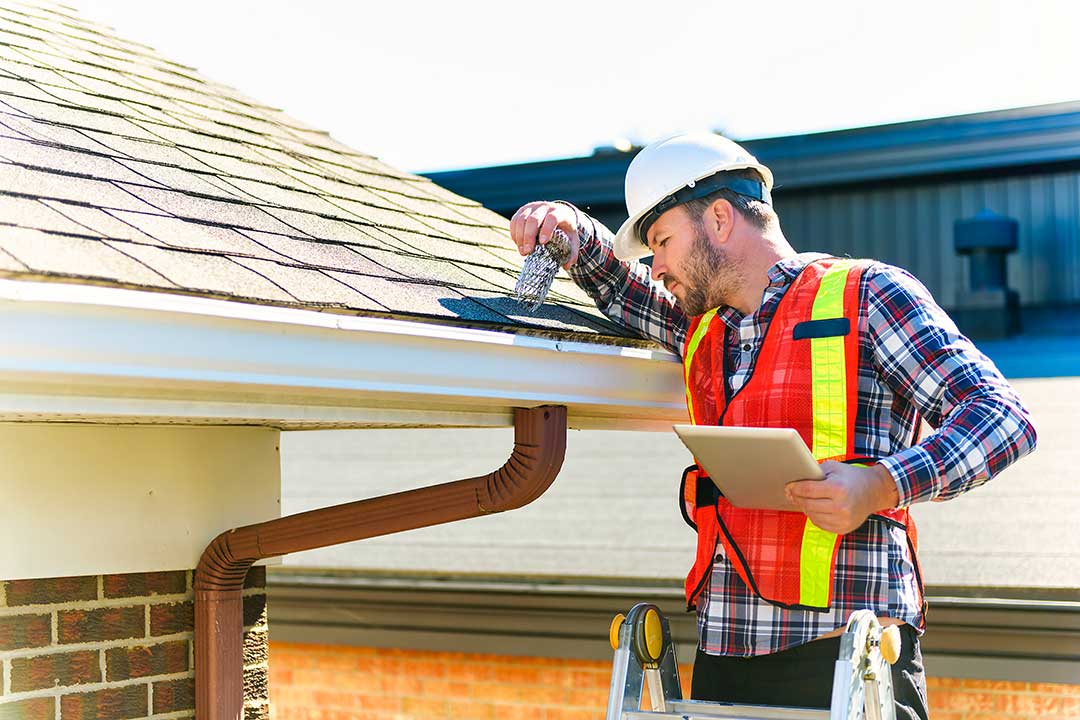
Begin with a simple visual inspection from the ground or a stable ladder. Walk around your home and look for:
- Missing, cracked, or curling shingles
- Accumulations of moss or debris
- Rusted or damaged flashing around chimneys and vents
- Blocked or sagging gutters
- Dark streaks or algae growth
Binoculars make it easier to spot issues without climbing. For multi-story homes or areas you can’t reach safely, consider asking someone with experience or using a camera pole for closer views.
What Should Be Cleaned or Cleared?
Leaves and branches tend to build up in Sodus gutters and valleys during autumn winds. Clogged gutters can cause meltwater to back up, leading to leaks and ice dams. Before the first hard freeze:
- Remove all leaves, twigs, and debris from gutters and downspouts
- Flush gutters with a hose to ensure water flows freely
- Clear any branches or debris from roof valleys and near chimneys
- Check attic vents for obstructions to prevent moisture buildup
Cleaning out these materials ensures meltwater has a clear path away from your home, reducing ice formation risks.
Are Repairs or Maintenance Needed Before Snowfall?
Small problems grow quickly under the stress of snow and ice. Address the following before winter:
- Replace any missing, loose, or damaged shingles
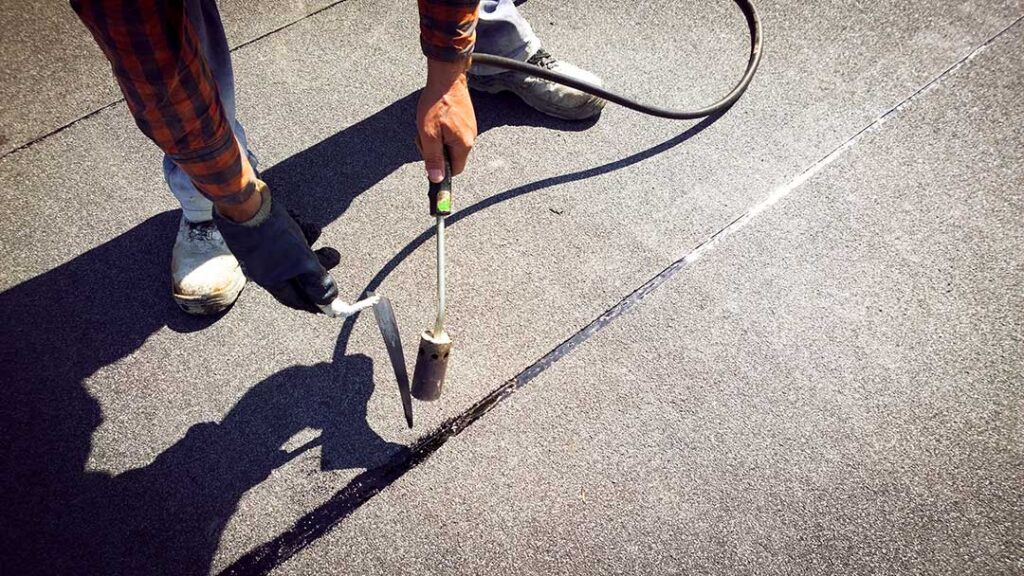
- Refasten loose flashing and reseal gaps with roofing cement
- Repair nail pops to prevent water intrusion
- Ensure attic insulation is adequate and evenly distributed
Ignoring these can shorten your roof’s lifespan and cause interior damage. Repairs are easier and safer before winter storms arrive.
How Can Residents Prevent Ice Dams?
Ice dams occur when snow melts on the upper roof, runs down, and refreezes at the eaves, trapping meltwater behind. In Sodus, this is most common after heavy snows or when daytime sun follows frigid nights.
To lower your risk:
- Keep attic insulation sufficient to maintain even inside temperatures and limit heat loss through the roof
- Make sure attic ventilation is clear, allowing warm air to escape
- Use a roof rake after major snowfalls to remove snow from the lower three feet of the roof—working from the ground for safety
Regular monitoring, especially after major weather events, helps spot and address potential dams early.
What Role Do Attic Insulation and Ventilation Play?
A well-insulated and ventilated attic limits snowmelt, prevents condensation, and helps keep heating bills in check.
- Insulation levels: The community typically benefits from at least R-38 (about 12" of fiberglass batts or blown-in insulation)
- Ventilation: Soffit and ridge vents should be clear to allow airflow, preventing warm air accumulation
Small investments in attic prep are often overlooked, yet are crucial for avoiding mold, rot, and ice dams—problems that peak during deep winter in the city.
When Is Professional Help Necessary?
Most basic tasks can be handled by residents with safe equipment and moderate DIY skills. However, if the roof has steep slopes, is high off the ground, or shows signs of structural sagging, it’s safest to consult someone qualified for further inspection or repairs. Anytime a roof’s age or prior storm history suggests hidden damage, a thorough check may prevent larger problems.
Are There Sodus-Specific Factors to Remember?
The proximity to Lake Ontario leads to higher humidity, strong northwest winds, and occasional wind-driven rain and snow that can lift shingles or heap snow on one side of a roof. Homes with dense tree cover often see increased roof moss growth and leaf accumulation. Sodus also sees longer stretches of freeze-thaw cycles than many other parts of New York, increasing the hazard from poorly managed meltwater.
Local regulations do not typically require a pre-winter roof inspection, but keeping up with annual maintenance helps area households avoid preventable damage through the toughest months.
What Are Some Common Misconceptions About Winter Roof Prep?
- Minor leaks or small damaged sections won’t get worse over winter (They usually do.)
- Ice dams are only a problem for old homes (They can affect new builds if insulation and ventilation are missing or inadequate.)
- Gutters don’t matter as long as snow isn’t melting fast (Blocked gutters create problems even in slow thaws.)
- Removing snow from the roof is risky (Done from the ground with a roof rake, it’s safer than waiting for ice buildup.)
Taking these steps early in the season allows your roof to better withstand Sodus’s variable winter conditions, offering peace of mind as temperatures drop and snow starts to fall.
