
What Threats Do Hurricanes Pose to Roofs in Sodus, NY?
Hurricanes and strong summer storms can bring fierce winds, driving rain, and flying debris to Sodus, NY. This can lead to missing shingles, leaks, or even more serious roof damage. While direct hurricanes are rare compared to southern coastal regions, local homes still face risks from remnants of tropical systems and nor’easters, which can turn ordinary roofs into weak points. For area residents, thoughtful preparation can greatly reduce storm-related repairs and water intrusion.
How Can Residents Find Out if Their Roof Is Vulnerable?
The easiest way to check if a roof can withstand high winds starts with a careful visual inspection from the ground or a sturdy ladder. Signs of vulnerability include:
- Shingles that are loose, lifted, curling, missing, or broken
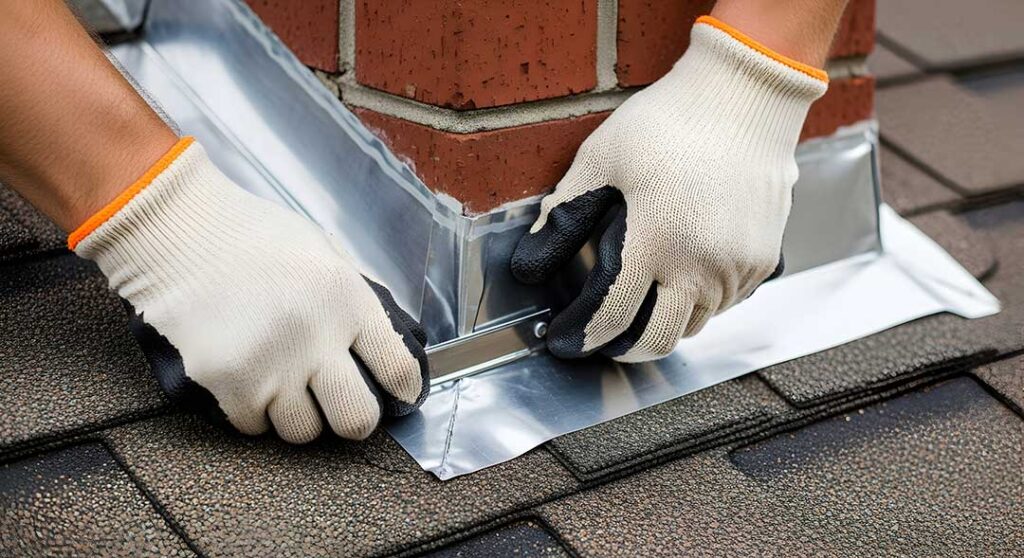
- Damaged or loose flashing around chimneys, skylights, and roof valleys
- Worn seals or caulking along roof penetrations
- Moss or algae growth, which can suggest long-term moisture issues
In Sodus, roofs are often steeply pitched due to snowy winters, so shifted shingles from prior storms or ice dams may reappear as weaknesses in the summer. Any signs of sagging, dark streaks, or granule loss should be a cue to look deeper.
What Routine Maintenance Helps Before Storm Season?
Regular maintenance makes roofs in Sodus more resilient to high winds and heavy rain. A smart seasonal checklist for the area includes:
- Clearing gutters and downspouts to prevent water backup
- Trimming overhead tree limbs that could fall or scrape the roof
- Removing debris from the roof surface, such as leaves, twigs, or pine needles
- Securing or reattaching any loose sections of flashing, vent covers, or ridge caps
- Checking attic insulation and ventilation to control indoor humidity and prevent condensation-related rot
Homes in the city’s older neighborhoods may have mature trees or outdated gutter setups—adjustments or cleanup here can be especially valuable.
Should Residents Reinforce Roof Components, and How?
Yes, reinforcing certain parts of the roof prior to hurricane season helps reduce the risk of blown-off materials or leaks. In Sodus, especially for homes with asphalt shingles, some widely recommended reinforcement options include:
- Using roofing cement or appropriate adhesives to re-seal the edges of loose shingles
- Fastening roof sheathing with hurricane-rated nails if undertaking repairs or renovations
- Upgrading or adding storm clips/anchors on trusses in attics (if accessible and safe)
- Replacing vents and covers with wind-rated alternatives designed for high gusts
For many local households, simple fixes—such as re-caulking flashing or replacing a handful of cracked shingles—can make a difference, and do not require specialized tools.
What Are Common Roof Preparation Mistakes in the Community?
Some frequent oversights in preparing for hurricane season include:
- Ignoring small leaks or water stains in the attic, assuming they won’t worsen
- Believing a “new” roof is always storm-ready without inspection of vulnerable areas
- Forgetting to secure or tie down loose outdoor items that could strike the roof in high winds
- Over-relying on tarps or temporary patches as a long-term solution
Another misconception seen locally is overlooking roof decks when replacing shingles—if the underlying wood is weakened from past dampness or rot, new shingles may not hold during heavy winds.
Can Insurance Requirements Influence Preparation?
Many residents review their homeowner’s policies for storm coverage in the spring. Some insurance plans require roofs to be in “good repair” for valid claims after storm events, which means ignoring routine upkeep or obvious vulnerabilities could risk denial of coverage. Being proactive with repairs—and documenting actions with photos and notes—can avoid complications later.
Are There Local Resources or Programs to Help Residents Prepare?
Local agencies may offer guidance on storm preparation, especially if there are updates to building codes aimed at wind resistance. While Sodus isn’t classified as a high-risk hurricane zone, residents sometimes benefit from county extension services, public safety announcements, or materials from town meetings on seasonal readiness. These resources often outline safe inspection practices and home fortification tips suited to local building styles and common weather patterns.
What Happens After a Storm Passes?
After high winds or rain from a passing tropical system, it’s wise for area households to inspect their roofs as soon as conditions are safe. Look for new shingle displacement, debris buildup, and water entry in the attic or along ceilings. Acting promptly on signs of damage can prevent minor problems from becoming major repairs, especially in the humid weeks that follow a storm.
