
What Is a Roof Warranty?
A roof warranty is a written promise that provides some protection if problems develop with a roof after installation. Most homeowners in Sodus, NY receive at least one warranty when a new roof is installed, but the details often cause confusion. Understanding what is and isn't covered is essential for anyone buying, building, or maintaining a home in the city.
Typically, roof warranties fall into two broad categories:
- Material warranties: These cover defects in the roofing materials themselves, such as shingles that crack or deteriorate prematurely.
- Workmanship warranties: These offer protection if the roof was not installed properly, which can cause leaks or structural problems.
What Types of Roof Warranties Are There?
There are two main types of warranties residents in Sodus are likely to encounter: manufacturer warranties and installation (workmanship) warranties.
Manufacturer Warranty
This warranty comes from the company that produced the shingles or other roofing materials. It generally covers product defects that lead to failure under normal conditions––for example, shingles that lose granules too quickly or develop cracks.
- Most standard manufacturer warranties last 20-50 years for asphalt shingles, though “lifetime” coverage will often be pro-rated past a certain number of years.
- The warranty may not cover labor required to replace faulty shingles; it often only covers material costs.
Installation Warranty
This type is issued by the contractor who installs the roof. It covers issues that result from installation errors, such as improper nailing, wrong placement of flashing, or incorrect underlayment.
- Contractors in Sodus usually offer warranties ranging from 1 to 10 years.
- These warranties are only valid as long as the company is in business.
Some high-end roof systems may have more comprehensive “system warranties” that include coverage for both materials and workmanship under specific conditions.
What Does a Roof Warranty Usually Cover?
Most warranties are limited in scope, and knowing the specifics helps local homeowners avoid surprises. Here’s what is typically included:
- Manufacturing defects: If materials fail before their expected lifespan, coverage may apply.
- Unusual deterioration: Problems like premature cracking, blistering, or curling of shingles.
However, most warranties *do not* cover:
- Normal aging and wear
- Damage from extreme weather (such as ice dams, hurricanes, or hailstorms—a factor Sodus homeowners should carefully check, given local snow and wind conditions)
- Roof leaks from tree branches, animal intrusion, or debris
- Improper installation by anyone other than a certified installer (relevant for DIY or unlicensed work)
Are Roof Warranties Transferrable in Sodus?
Many residents wonder whether a roof warranty stays with the house if ownership changes. Some manufacturer warranties can be transferred to a new owner, but there are often:
- Limits on the number of times a warranty can be transferred (sometimes only once)
- Requirements for paperwork to be completed within a short window after the sale (often 30-60 days)
- Adjustments to coverage length or value after a transfer
Installation warranties are less likely to be transferrable, especially if a contractor retires or closes their business.
Before buying or selling a home in Sodus, review any available roof warranty documentation and contact the manufacturer (not the installer) to confirm what steps are needed to transfer coverage, if available.
What Voids a Roof Warranty?
A common misconception is that roofing warranties provide blanket protection no matter what happens. In reality, several actions or conditions can void coverage. These often include:
- Failure to maintain the roof, such as not cleaning gutters or neglecting to remove debris
- Adding antennas, satellite dishes, solar panels, or skylights without following the manufacturer’s guidelines
- Using pressure washers or harsh cleaning methods
- Overlaying new shingles on top of old ones instead of a full tear-off (unless allowed by manufacturer specs)
- Poor attic ventilation, which is especially relevant in Sodus due to frequent freeze-thaw cycles
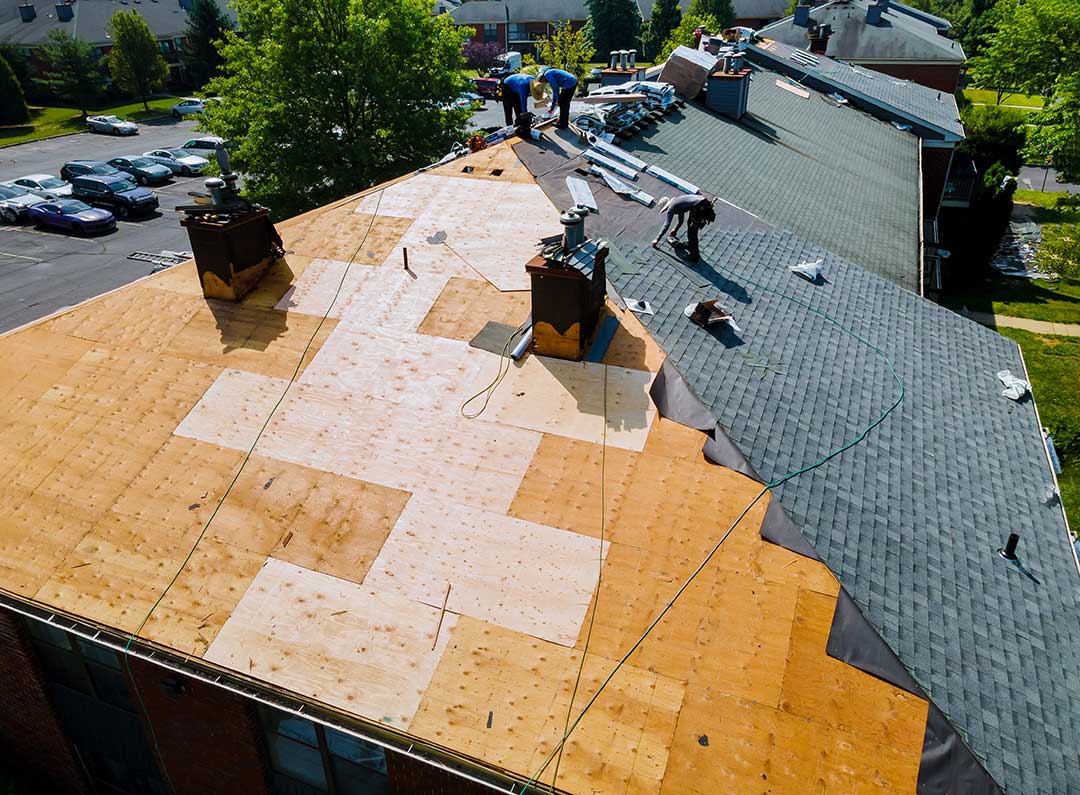
Many manufacturers specify that only certified installers may perform repairs or modifications for a warranty to remain valid. Always keep records of any roof work or inspections.
How Do Local Climate Conditions in Sodus Affect Roof Warranties?
The cold winters and variable weather in Sodus can impact roofing materials and, consequently, warranty claims. For example:
- Ice dams: Snow followed by daytime melting and nighttime freezing can cause ice to build up on eaves, which could lead to leaks not always covered under a standard warranty.
- High winds: Some warranties exclude “acts of God,” like wind gusts above a certain speed.
- Hail and storm damage: Major storms may be covered by homeowners insurance, but not by most roof warranties.
Local building codes or special roofing requirements for homes near Lake Ontario (such as ice and water shields) may also affect warranty eligibility.
What Maintenance Is Required to Keep a Warranty Valid?
Warranties generally require homeowners to provide routine maintenance, such as:
- Keeping gutters clear to prevent water back-up
- Prompt removal of moss, algae, or debris
- Annual or semi-annual visual inspections, especially after Sodus’s winter season
Failure to address small issues—like replacing damaged shingles or securing loose flashing—could lead to claims being rejected. Always document inspections and repairs, ideally with photos and receipts.
How Should Residents Approach Filing a Roof Warranty Claim?
If an issue develops that may be covered, area households should:
1. Review the warranty documentation for coverage specifics and claim process.
2. Collect documentation of the problem, including photos, dates, and a description of events.
3. Gather records of installation, maintenance, and previous repairs.
4. Contact the warranty provider in writing, outlining the claim clearly.
Homeowners insurance may also help if the problem is storm-related; warranties generally don’t overlap with insurance, so check both sources.
Are There Common Misunderstandings About Roof Warranties?
Many people expect their warranty to cover all roof problems for decades, but in reality:
- Coverage is often limited to manufacturer defects, not installation errors or weather damage.
- “Lifetime” sometimes means as little as 30-40 years and may be pro-rated.
- Claims can be denied if required paperwork, transfer steps, or maintenance is missing.
Residents of the community should carefully read both material and installer warranties after any new roof work and keep clear records. If unsure whether a situation is covered, reaching out to the manufacturer’s customer service is often the best first step.
