
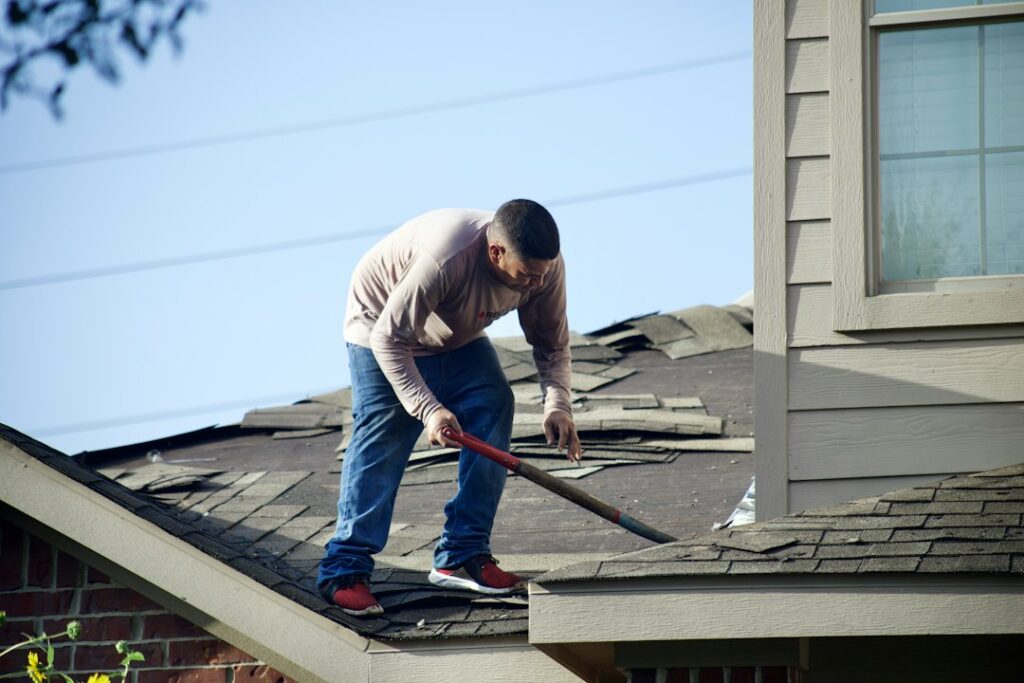
Storms can damage a roof without leaving an obvious hole. High winds may lift shingle edges, hail can bruise the surface, and heavy snow or ice can strain roof framing. In Sodus, winter storms, lake-effect snow, freezing rain, thunderstorms, and strong winds can all create different types of roof problems.
A careful inspection should begin from the ground and move indoors. Do not climb onto the roof immediately after a storm, especially if surfaces are wet, icy, unstable, or covered with debris.
What should be checked first after a storm?
Start by making sure the area around the home is safe. Look for downed wires, leaning trees, broken branches, loose siding, unstable chimneys, and other hazards before walking around the property.
From the ground, inspect the roofline with binoculars if available. Look for:
- Missing or displaced shingles
- Shingles with lifted, curled, cracked, or torn edges
- Exposed underlayment or roof decking
- Loose or damaged flashing around chimneys, vents, skylights, and roof edges
- Bent gutters, detached downspouts, or fallen gutter sections
- Debris resting on the roof
- Sagging areas along the roof plane or eaves
- Damaged chimney caps, masonry, or vent covers
A roof may still appear intact from a distance even when wind has loosened fasteners or created openings beneath the shingles. Pay particular attention to roof edges, corners, ridges, and areas near large trees because these locations often receive stronger wind pressure.
How can interior signs reveal roof damage?
Interior inspection is just as important as looking outside. Water may enter through a small opening and travel along rafters or ceiling materials before becoming visible.
Check the attic, upper floors, ceilings, and upper sections of exterior walls for:
- New water stains or brown discoloration
- Damp insulation
- Dripping or active leaks
- Soft, swollen, or sagging drywall
- Musty odors that were not present before the storm
- Daylight visible through the roof deck
- Wet rafters, roof sheathing, or stored belongings
- Peeling paint near ceiling and wall joints
A ceiling stain does not always appear directly below the damaged area. Water can move along framing, insulation, electrical lines, or ventilation channels. For that reason, a small stain should not be dismissed simply because the roof surface above it looks normal.
If water is near a light fixture, outlet, appliance, or electrical wiring, avoid touching the area. Shut off power to the affected circuit only if the electrical panel can be reached safely without standing in water.
What does wind damage look like?
Wind damage often involves displacement rather than complete roof loss. Shingles may be lifted just enough to break their seal or loosen the fasteners underneath.
Common wind-related signs include:
- Shingles that are missing from one section of the roof
- Shingles lying in the yard or caught in gutters
- Tabs that are raised, creased, or folded
- Uneven rows or exposed dark strips where shingles have shifted
- Missing ridge-cap shingles
- Loose metal flashing
- Damage concentrated on one side of the home
Check the ground around the house for roofing pieces, but do not assume that finding no debris means the roof is undamaged. Some shingles remain attached while their seals or fasteners have failed.
Wind can also damage roof accessories. A loose plumbing vent, attic vent, chimney cap, or flashing joint may allow water into the roof assembly even when the main field of shingles appears undisturbed.
How can hail and ice damage be identified?
Hail damage may be difficult to see from the ground. Hailstones can leave circular bruises, exposed fiberglass, cracked surfaces, or shallow dents in shingles. Damage may also appear on metal vents, gutters, siding, window trim, and air-conditioning equipment.
Do not press on suspected bruises or scrape the shingle surface. A damaged shingle can worsen when handled.
Ice creates different concerns. After freezing rain or a rapid freeze-and-thaw cycle, inspect for:
- Heavy ice buildup along roof edges
- Detached or distorted gutters
- Water stains near exterior walls
- Ice-related cracking around flashing
- Snow or ice sliding from the roof
- Large icicles near entrances or walkways

In cold weather, water can enter beneath roof-edge ice and appear inside as a leak. Removing ice with a shovel, hammer, or improvised tool can damage shingles and create a fall hazard. Do not climb onto an icy roof.
Should you inspect the roof from the top?
Most homeowners should not climb onto a roof after a storm. Wet shingles, loose granules, hidden ice, broken branches, and unstable roof sections can cause falls. A roof that looks intact may also have weakened decking beneath the surface.
A ground-level inspection, attic check, and photographs from safe locations can provide useful information without creating additional risk. If the roof has major structural damage, a tree impact, a steep pitch, widespread missing materials, or visible sagging, stay clear of the area below it.
A roof ladder should never be placed against unstable gutters, damaged siding, or a roof edge that may have shifted. Do not walk on areas that appear soft, bowed, or visibly damaged.
What should be photographed and recorded?
Document the condition before moving debris or making temporary changes, provided it is safe to do so. Take clear photographs of:
- The entire roof from several ground-level angles
- Close views of missing, lifted, or cracked materials
- Damaged gutters, flashing, vents, and chimney components
- Fallen branches or other objects that struck the roof
- Interior stains, wet insulation, and damaged ceilings
- Water-damaged furniture, flooring, or personal property
Write down the date of the storm, when the damage was first noticed, and whether leaking is active or intermittent. Keep receipts for emergency materials used to protect the interior.
Temporary protection may include placing containers under drips or covering belongings with plastic sheeting. Do not make roof repairs during high winds, rain, lightning, or icy conditions. A temporary covering should not be fastened in a way that requires unsafe roof access.
When is roof damage an emergency?
Immediate safety concerns include a partially collapsed roof, a large opening, active water entering near electrical systems, a tree resting on the structure, exposed electrical wiring, or severe sagging.
Leave the affected area if ceilings are bulging, walls are shifting, or structural damage appears to be spreading. Keep children and pets away from rooms with falling debris, wet electrical components, or unstable ceilings.
For less severe damage, continue monitoring the area during the next rainfall and inspect the attic periodically. Some leaks become visible only after wind-driven rain reaches a vulnerable seam or flashing connection.
What storm damage is commonly overlooked?
Roof vents, flashing, drip edges, chimney caps, and gutters are frequently missed because they occupy small areas. Damage to these components can still allow water into the home.
Also inspect nearby trees after a storm. Broken limbs that remain hanging above the roof can fall later, particularly during another period of wind. Branches should not be pulled down from a roof or cut near electrical lines without proper safety precautions.
In a community that experiences both heavy winter weather and strong seasonal thunderstorms, a roof can sustain several small defects instead of one obvious failure. A methodical inspection from the ground, attic, and upper floors helps identify those problems before they develop into larger interior damage.
