
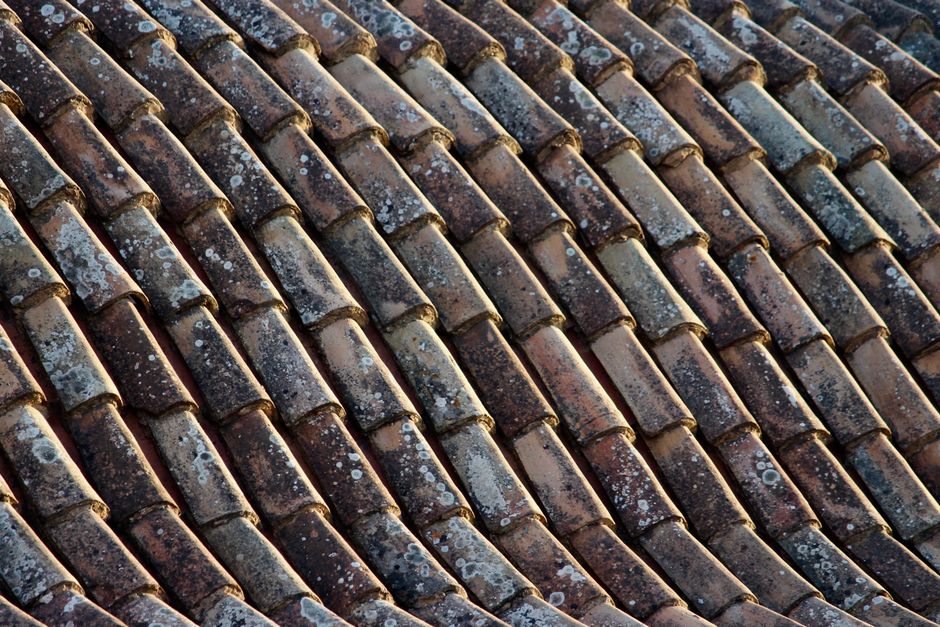
Sunlight is a quiet but persistent source of roof wear. Every sunny day exposes roofing materials to ultraviolet radiation and heat, and the effects become more noticeable as the years pass. In Sodus, NY, roofs experience this stress alongside freeze-thaw cycles, wind, rain, snow, and changing humidity, so sun damage is only one part of the overall aging process.
How does sun exposure damage roofing materials?
Sun exposure affects a roof in two main ways: ultraviolet radiation breaks down surface materials, and heat causes repeated expansion and contraction.
Ultraviolet radiation can gradually weaken the compounds that help roofing materials remain flexible and weather-resistant. Heat then causes the roof surface and underlying materials to expand during the day and contract as temperatures fall. Repeated movement can contribute to cracking, curling, brittleness, and weakened seals.
The amount of damage depends on the roofing material, its color, its age, roof orientation, ventilation, and how much shade the roof receives.
Dark roofs usually absorb more solar energy than light-colored roofs. That does not automatically make a dark roof unsuitable, but it can lead to higher surface temperatures during sunny weather. A roof with good attic ventilation and adequate insulation may handle heat better than one with trapped heat beneath the roof deck.
Which parts of a roof are most affected by sunlight?
The roof surface receives the most direct exposure, but several other components can also be affected.
Asphalt shingles may gradually lose flexibility, surface granules, and protective oils. Over time, common signs include:
- Faded or uneven color
- Brittle shingle edges
- Curling corners
- Cracks or splits
- Missing or loose surface granules
- Exposed dark areas beneath the granules
Rubber and plastic components can also age under ultraviolet exposure. Pipe boots, flashing seals, vent collars, and other flexible parts may harden or crack before the main roofing material appears severely worn.
Roof membranes on low-slope sections can develop surface deterioration, especially where water remains after rain or snowmelt. Metal roofing generally tolerates sunlight well, but its coatings can fade, chalk, or lose protective performance if the finish deteriorates.
Wood shakes and shingles may dry out, split, or become more vulnerable to moisture entry when prolonged sun exposure removes natural oils from the surface.
Does the sunny side of a roof wear out faster?
Often, yes. Roof slopes that receive more direct sunlight may age faster than shaded slopes, but the difference is not always dramatic.
A south-facing roof commonly receives strong sunlight during the day. West-facing sections can experience intense afternoon heat, while east-facing sections receive more morning exposure. Nearby trees and buildings can change this pattern considerably.
Uneven aging may be visible when one roof slope looks lighter, rougher, or more curled than another. However, differences in wind exposure, snow accumulation, moss growth, and water flow can also explain why one section appears older.
A roof should not be judged by color alone. Fading is often cosmetic, while granule loss, cracking, exposed fasteners, and deteriorated flashing are more meaningful signs of reduced weather resistance.
Can sun exposure cause roof leaks?
Sunlight alone does not always create an immediate leak, but it can weaken the materials that keep water out. Once shingles, seals, flashing, or membrane surfaces become brittle or cracked, rain and melting snow have more opportunities to enter.
Leaks may first appear around areas that already have more joints or penetrations, such as:
- Chimneys
- Plumbing vents
- Skylights
- Roof-to-wall intersections
- Valleys
- Dormers
- Eaves and rake edges
The location of an indoor stain may not match the location where water entered. Water can travel along roof decking, rafters, insulation, or other building materials before becoming visible inside.
A ceiling mark that appears after a sunny day may seem unrelated to sunlight, but heat can open small cracks or loosen aging materials that later allow water entry during rain.
How does sunlight interact with Sodus weather?
Local roofs do not experience sunlight in isolation. A sunny summer afternoon can heat roofing materials well above the surrounding air temperature. The roof then cools after sunset, during a passing shower, or when colder seasonal weather arrives.
That repeated temperature change works together with winter conditions. In the community, moisture may enter small openings and freeze during cold weather. Ice expansion can enlarge cracks that began as heat- or ultraviolet-related deterioration.
Snow cover may temporarily shield a roof from direct sunlight, but it also adds weight and can keep moisture against aging materials. When snow melts unevenly, water may collect near eaves, valleys, or areas with limited drainage.
Trees are another local factor. Shade can reduce direct solar heating, but overhanging branches may scrape the roof, drop debris, hold moisture, and limit drying. A shaded roof is not necessarily a healthier roof if it stays damp for long periods.
Does roof color affect heat and aging?
Roof color can influence surface temperature, although material quality and ventilation also matter.
Light-colored or reflective roofing surfaces generally absorb less solar energy than very dark surfaces. A cooler roof may transfer less heat into the attic and living space during warm weather. This can be useful in homes with limited insulation or inadequate ventilation.
Dark roofing is not automatically a problem. Many homes use dark asphalt shingles successfully, particularly when the roof system has proper ventilation, sound insulation, and well-maintained materials.
Color change is also not a reliable measure of remaining service life. Some roofs fade evenly while continuing to perform well. Others may retain much of their original color while having hidden damage around flashing, valleys, or fasteners.
What can homeowners look for safely?
A ground-level inspection can reveal useful information without walking on the roof. Look for:
- Uneven fading between roof slopes
- Shingles that appear curled, cracked, or unusually flat
- Bare patches where granules have worn away
- Small pieces of shingle material near downspouts
- Cracked rubber around vent pipes
- Rusted or exposed fasteners
- Sagging areas or visibly damaged flashing
Check the attic, if it is safely accessible, for daylight through the roof deck, damp insulation, musty odors, or unusually high heat. Poor attic ventilation can increase roof temperatures and may contribute to premature aging, but ventilation changes should be evaluated carefully because improper openings can also allow snow, rain, or outside moisture into the attic.
Walking on an older, steep, wet, icy, or visibly damaged roof creates a fall risk. Inspection from the ground or from a safe attic location is usually the better approach for routine observation.
How can sun-related roof wear be reduced?
No roof can be completely protected from sunlight, but several conditions can reduce unnecessary stress:
- Keep gutters and roof drainage paths clear so water does not remain against deteriorating materials.
- Trim branches that scrape the roof or deposit heavy debris.
- Maintain adequate attic insulation and balanced ventilation.
- Address loose flashing, damaged vent boots, and small areas of missing roofing before moisture reaches the roof deck.
- Avoid pressure washing or harsh cleaning methods that remove protective surface granules.
- Consider solar reflectance, durability, and local weather performance when comparing future roofing materials.
Sun exposure is a normal part of roof aging, not proof that a roof has failed. The most useful approach is to watch for changes in texture, flexibility, granule coverage, seals, and water-shedding details. In a climate with strong seasonal changes, understanding how sunlight works with moisture, snow, wind, and freezing temperatures provides a more accurate picture of roof condition than appearance alone.
