
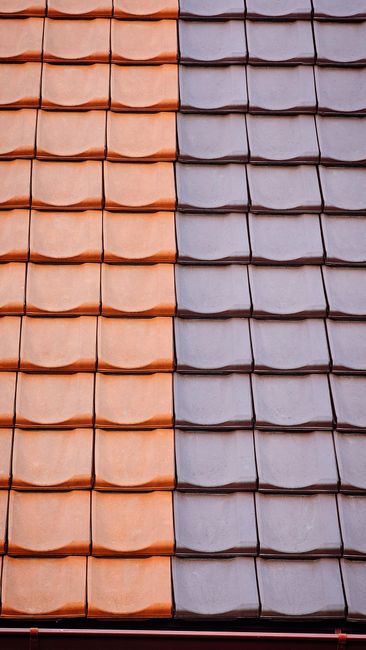
Choosing a roof color is partly a design decision, but it also affects how a home looks in changing light, how well the roof complements nearby materials, and how easily future maintenance will be noticed. For homes in Sodus, roof color should also be considered alongside winter conditions, seasonal shade, tree cover, and the character of the surrounding neighborhood.
Which roof colors work well with the style of a home?
The most suitable roof color usually supports the home’s existing materials rather than competing with them. Consider the siding, brick, stone, trim, shutters, doors, gutters, and visible foundation before focusing on roofing samples.
Common pairings include:
- Gray or charcoal: Works with white, blue, gray, red, and many neutral siding colors. It gives a clean appearance and is often adaptable if exterior paint changes later.
- Brown or weathered brown: Complements tan, beige, cream, green, and warm brick. Brown roofs often look natural on homes with wood, stone, or earth-tone details.
- Black: Creates strong contrast and can suit modern, traditional, and farmhouse-style homes. It may make a smaller or low-pitched roof appear visually heavier.
- Blended or dimensional colors: Combine several related tones and can add depth to a large roof surface. They may also help disguise small variations caused by shade, weathering, or airborne debris.
- Green, blue, or red tones: Can work well when echoed subtly in shutters, doors, trim, or masonry. These colors require more care because they can limit future exterior color changes.
A useful starting point is to identify whether the home’s exterior has mostly cool tones, such as blue and gray, or warm tones, such as tan, brown, cream, and red. The roof does not have to match exactly, but it should generally belong to the same visual family.
Should a roof be lighter or darker?
A lighter roof can make a home appear more open and may look less visually dominant on a small house. A darker roof creates definition and can help a large or tall home appear more grounded.
Roof pitch also matters. A steep roof exposes more roofing material, so its color has a stronger effect on the overall appearance. A low-slope roof may be less noticeable from the street, although its color can still be visible from upper floors or nearby homes.
Dark colors tend to absorb more solar heat than light colors, but the effect on indoor comfort depends on insulation, ventilation, roof assembly, attic conditions, and the amount of shade. In a climate with cold winters and warm summer periods, roof color alone should not be treated as a substitute for proper attic insulation or ventilation.
How does local weather affect roof color?
Seasonal conditions can change how a roof color looks and how much maintenance it appears to need. In Sodus, snow, cloudy winter skies, spring moisture, summer sunlight, falling leaves, and tree pollen can all affect the roof’s appearance over time.
A few practical considerations help:
- Very light roofs may show dark organic debris, bird droppings, or runoff marks more clearly.
- Very dark roofs can show pale snow residue, salt-like deposits, or lighter areas caused by weathering.
- Mixed-color shingles often make small deposits and minor color variation less noticeable.
- Heavy shade can make a roof look darker and may contribute to moisture lingering on roof surfaces.
- Nearby trees can drop leaves, needles, twigs, and seeds that affect how clean the roof appears regardless of color.
Color does not prevent moss or algae growth. Moisture, shade, ventilation, roof orientation, and debris are more influential. A color that hides staining may make the roof look cleaner between maintenance periods, but it does not solve the underlying moisture condition.
Should the roof match the siding?
A roof should coordinate with siding, but exact matching is usually unnecessary. A roof that is identical in color to the siding can make the exterior look flat, while a roof with too much contrast may draw attention away from architectural details.
For example, a home with pale siding may work well with a medium gray, brown, or charcoal roof. A home with darker siding may benefit from a lighter or blended roof that keeps the exterior from appearing overly heavy. White trim can connect many roof colors, while natural stone and brick usually provide useful clues about whether warm or cool roofing tones will look appropriate.
If the siding color may be changed later, a neutral roof is often more flexible. Gray, brown, and weathered blends tend to accommodate more future paint choices than a strongly colored roof.
How should samples be evaluated?
Small samples can be misleading. Roofing material should be viewed outside, in several lighting conditions, and against the actual exterior colors of the house.
Check samples:
- In direct sunlight
- Under cloud cover
- In morning and late-day light
- Beside siding, brick, stone, and trim
- From the street rather than only at arm’s length
- Near trees or shaded areas if the roof will be partially shaded
A color that looks neutral in a showroom may appear blue, green, red, or brown once it is spread across a large roof. Dimensional shingles also create a different effect than a flat color sample because the visible pattern changes with distance and light.
It can help to photograph samples from the street and review the images later. The roof will usually be seen from a distance, so the overall impression matters more than the color of an individual shingle.
Does roof color affect resale or neighborhood appearance?
A roof color can influence curb appeal, but broad compatibility is usually more useful than choosing a highly unusual shade. Neutral and blended colors are generally easier to coordinate with future exterior repairs, additions, or paint changes.
In established neighborhoods, the surrounding homes can provide a helpful visual reference. This does not mean every roof should look the same. Rather, a color that fits the general character of the area is less likely to appear distracting or out of place.
Before selecting a color, check whether a homeowners’ association, historic designation, subdivision rule, or local building requirement applies to the property. Requirements vary by location and project, so they should be verified before materials are ordered.
What roof color is easiest to maintain?
No roof color is maintenance-free, but some choices make normal changes less noticeable. Medium tones and blended patterns often hide small amounts of dust, leaf residue, and uneven weathering better than solid white, very pale, or intensely dark colors.
The roof’s condition still matters more than its color. Gutters, valleys, flashing, roof edges, penetrations, and shaded areas deserve attention because problems often begin there. Leaves and branches should not be allowed to accumulate, particularly where they block drainage or keep roofing materials damp.
Color should also be considered alongside the expected life of the roofing material. A roof may remain in place for many years, so choosing a color that looks appealing only with the current siding can create limitations later.
What is the safest decision if there is uncertainty?
Choose a color that coordinates with at least three permanent exterior features, such as brick, stone, trim, or siding, and avoid relying on a tiny sample. If the home has several competing colors already, a restrained neutral or blended roof usually creates a more balanced appearance.
The best choice is rarely the most fashionable color. It is the one that looks appropriate in summer and winter, works in both sun and shade, fits the home’s proportions, and leaves reasonable options for future exterior maintenance or repainting.
